Recycled & Unbleached Copier Paper: A Smarter Choice for Sustainable Printing.
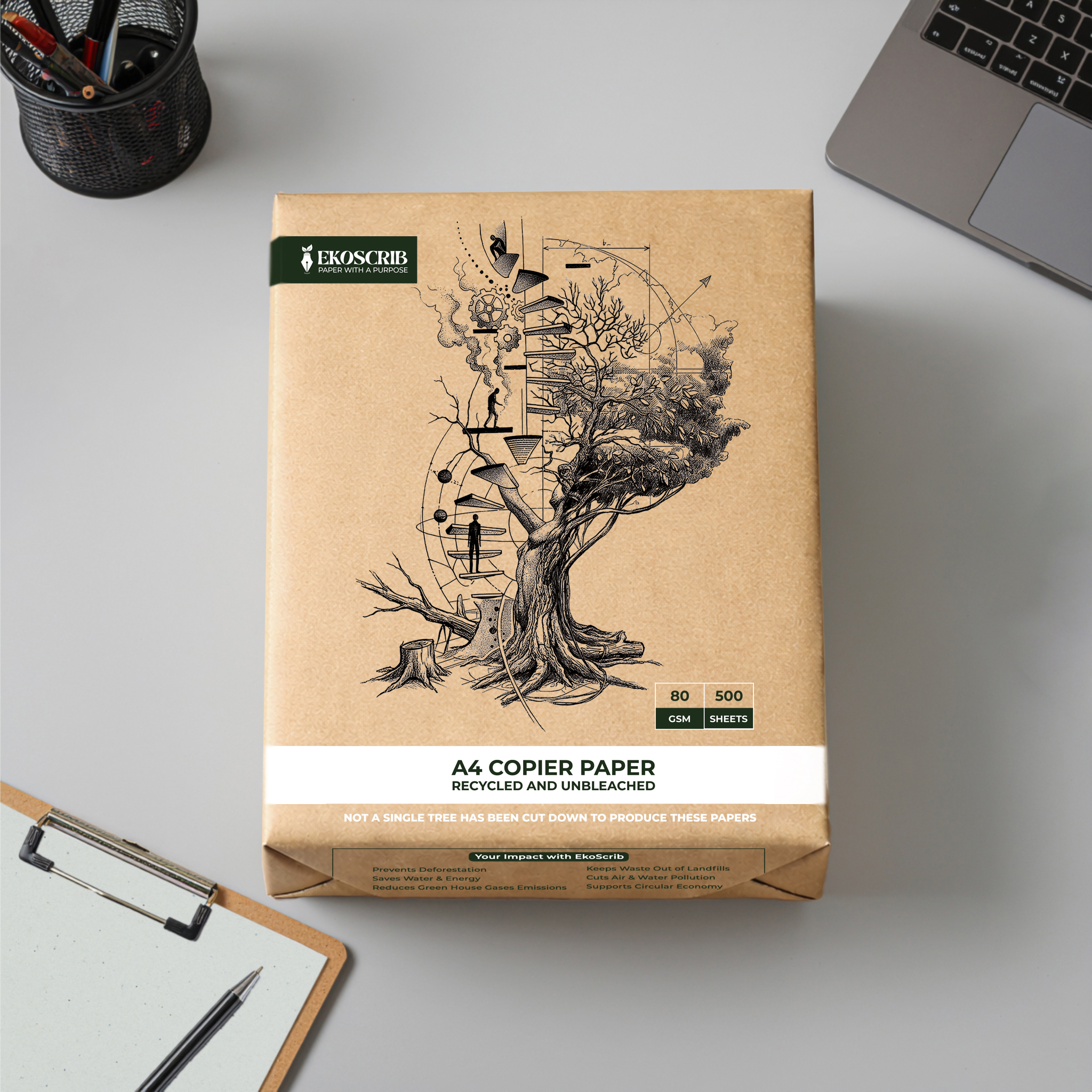
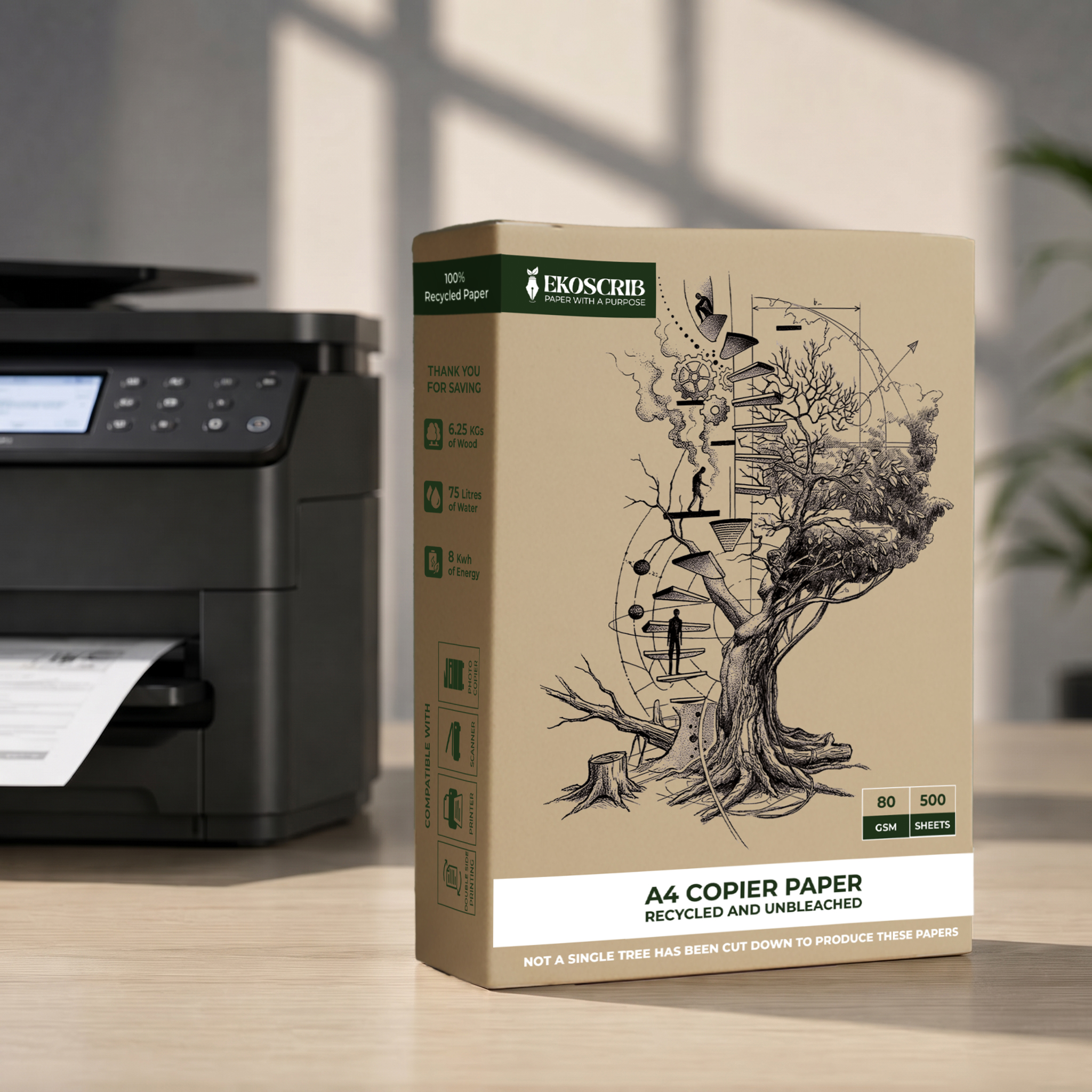
EkoScrib's recycled copier paper is 100% post-consumer waste, FSC® & GRS certified — unbleached and chemical-free. See how it performs vs standard paper.
In a world where sustainability is no longer optional, the copier paper we choose has a bigger impact than most people realize. Every sheet of conventional white paper requires fresh trees, intensive chemical processing, and significant amounts of water and energy. Fortunately, businesses today have a better alternative - 100% recycled and unbleached paper.
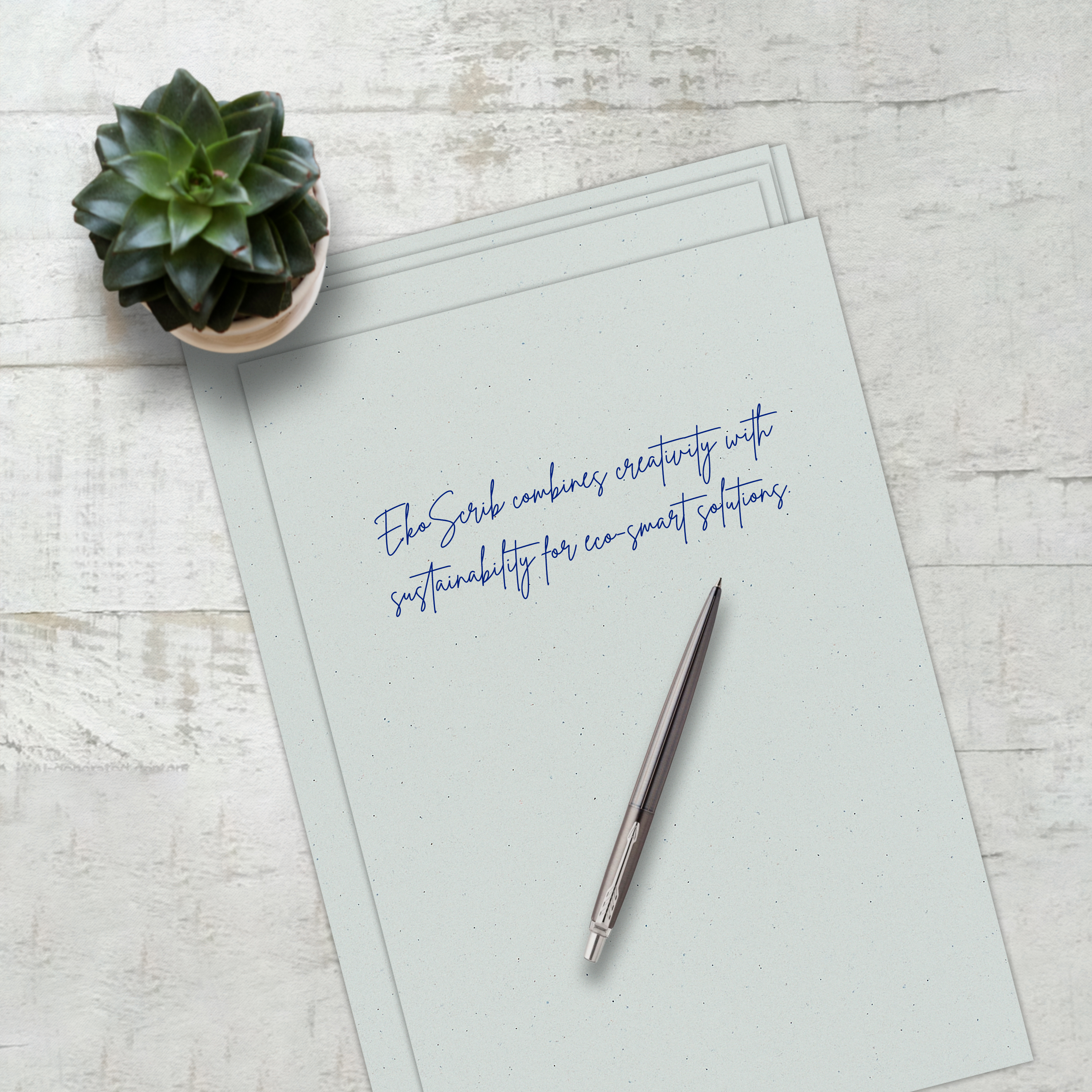
At EkoScrib, we believe sustainability should be practical, high-quality, and accessible. Therefore, our paper is made from 100% post-consumer paper waste without any bleaching, preserving its natural off-white appearance while significantly reducing environmental impact. Our products are backed by FSC® (Forest Stewardship Council®) and GRS (Global Recycled Standard) certifications, ensuring responsible sourcing and verified recycled content.
What is Recycled Paper?
Recycled paper is produced by converting waste paper into pulp, reducing reliance on deforestation. Unlike other copier paper brands that use only a small percentage of recycled content, EkoScrib uses 100% post-consumer waste, giving discarded paper a second life. This conserves forests, reduces landfill waste, and promotes responsible resource management.
Why choose Unbleached Copier Paper?
Most conventional copier paper is extensively bleached to achieve its bright white appearance. Unbleached copier paper skips this unnecessary process, retaining its natural off-white colour while reducing the use of chemicals, energy, water, and reflecting its recycled origin.
The result obtained is an elegant, premium paper with a warm, natural appearance. This subtle off-white shade has become increasingly popular among environmentally conscious brands, educational institutions, creative professionals, and businesses looking to align their products with sustainable values.
Impact of Switching 1 Ton of Paper
| Environmental Benefit | Impact |
|---|---|
| Wood Saved | 3,000 Kg |
| Water Saved | 30,000 Litres |
| Energy Saved | 4,000 kWh |
| CO₂ Emissions Avoided | 9,000 kg |
| No Chemicals | No harmful bleaching chemicals used |
Does Recycled Paper Compromise on Quality?
This is one of the most common questions we receive.
The answer is "No".
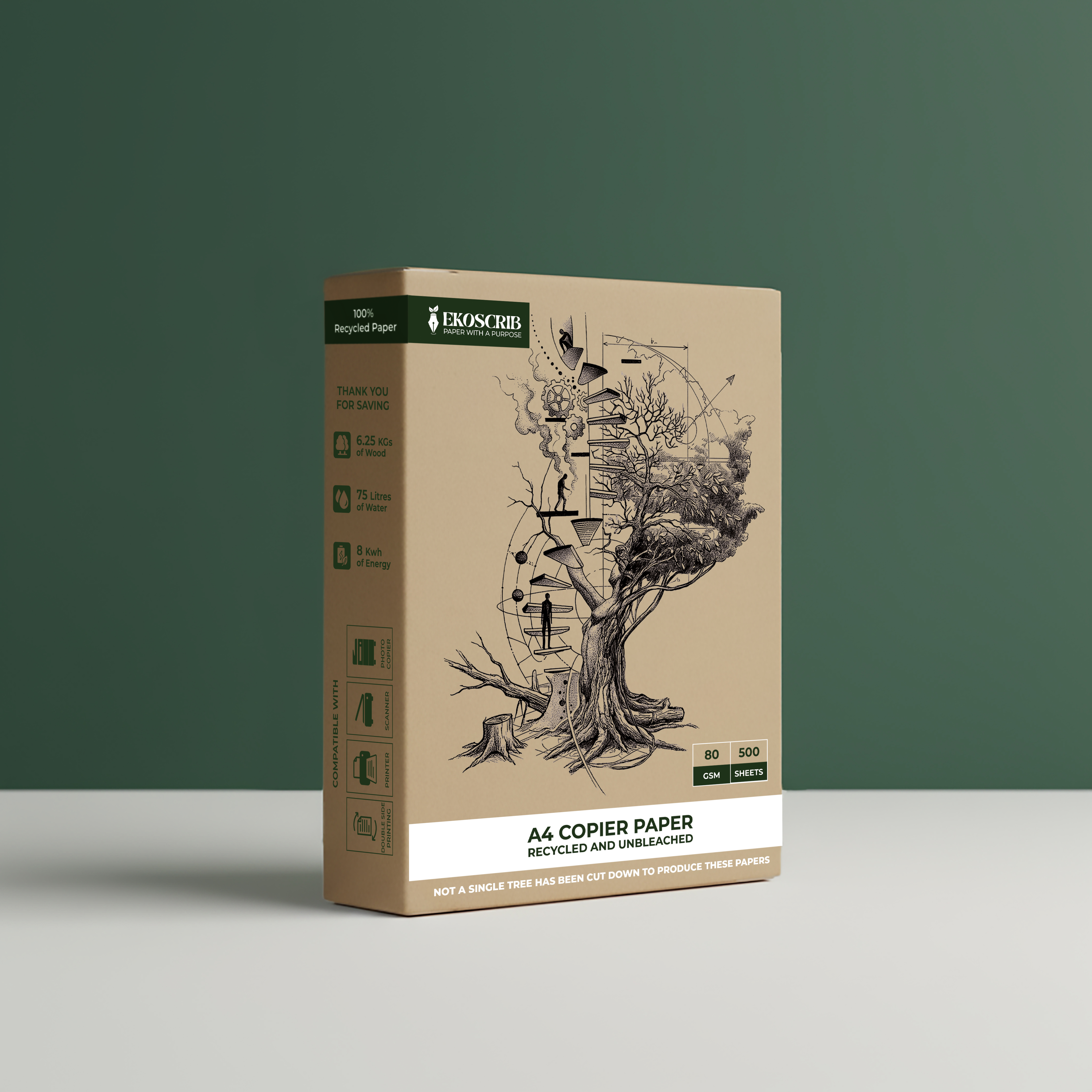
Modern recycled paper manufacturing has evolved tremendously. High-quality recycled paper offers:
- Excellent print quality
- Reliable photocopy performance
- Compatibility with all printers, scanners and copiers
- Strong durability for everyday office use
- Smooth writing experience
Whether you're printing reports, invoices, presentations, or everyday office documents, recycled paper performs just as reliably while making a more responsible choice.
Why businesses are switching to Sustainable Paper?
Consumers, employees, and clients increasingly value organizations that demonstrate genuine environmental responsibility.
Using recycled paper helps businesses:
- Reduce their environmental footprint
- Support circular economy practices
- Strengthen ESG and sustainability initiatives
- Showcase commitment to responsible procurement
Sometimes, sustainability starts with the simplest everyday choices.
Why choose EkoScrib?
Choosing EkoScrib means choosing copier paper that is:
- 100% post-consumer recycled
- Unbleached, with its natural off-white finish
- GRS, FSC® and ISO certified
- Available in A3, A4, Legal, and Bond sizes
Every ream helps reduce waste, conserve natural resources, and support a more sustainable future without compromising on quality.
Make Every Print Count
Switching to recycled copier paper is one of the easiest ways to reduce your environmental impact. With EkoScrib's 100% recycled, unbleached copier paper, you get dependable print performance while helping save wood, water, energy, and carbon emissions — one sheet at a time.
Make Every Print Count
Ready to make the switch?
Order EkoScrib's 100% recycled, unbleached copier paper today.
Continue reading